Outward 2
Jul 7, 2026·Nine Dots Studio
About this game
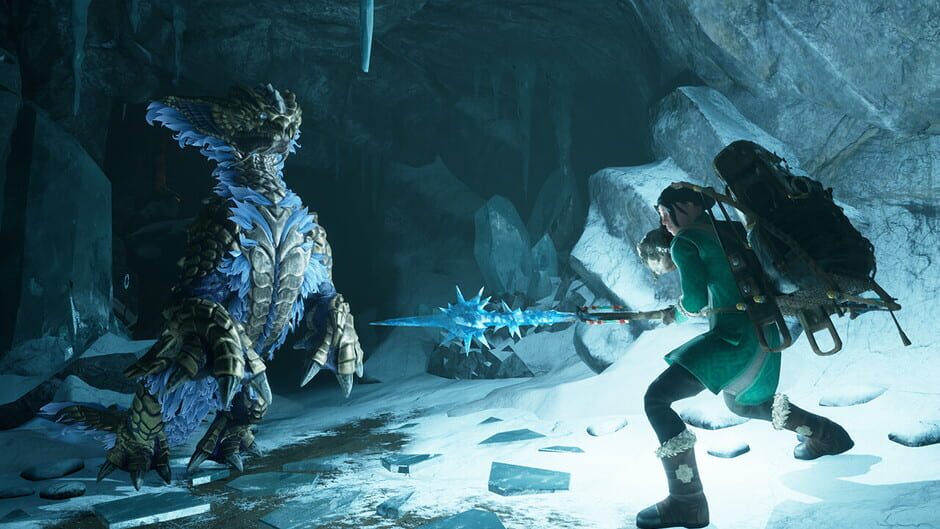
The original Outward was a very specific kind of game. Not for everyone. Deliberately obtuse in some places. Combat that felt unfair until the moment it suddenly didn't. A world that had no interest in making you feel special. You weren't the chosen one. You were nobody. And somehow, from that deliberately humble premise, Nine Dots Studio built one of the most genuinely interesting RPGs of its generation - a game that surpassed 3 million players on nothing but word of mouth and the sheer novelty of treating the player like an ordinary person rather than a destined saviour. Outward 2 is the sequel that premise always deserved, and it's arriving in Early Access on PC via Steam, GOG, and Epic Games Store on July 7, 2026. Developed and published by Nine Dots Studio - the same Québec-based independent outfit that built the first game out of what CEO Guillaume Boucher-Vidal has described as near-desperation - Outward 2 is set approximately 50 years after the events of the first game, across four distinct regions of Aurai. It's accessible to newcomers while rewarding returning players with narrative threads that connect to the world they already know. The core philosophy hasn't changed and isn't going to. You are not a hero. You are, depending on your starting choice, a miner in the region of Tramontane, a homeless person at Seamane's Bastion, or a bureaucrat near Habu. Three starting scenarios, eleven backgrounds affecting your stats, starting gear, and even dialogue options throughout the game. When you lose a fight - and you will - the story continues. You wake up injured, or robbed, or dragged to safety by a stranger. The consequences ripple forward rather than being reset. That structure is the entire identity of Outward, and it's good to see Nine Dots haven't flinched from it. What has been significantly expanded is just about everything else. The world now operates on a full seasonal cycle tied to a fixed in-game calendar. Frozen rivers become traversable in winter. Merchants relocate between settlements. Blizzards roll through the Gilded Mountains. Acid rain falls in the Gathes of Catharsis. The world is genuinely alive in a way the first game only hinted at, and the regional variety - each area with its own biomes, weather hazards, and specific gameplay implications - gives the sequel a scope that feels meaningfully larger. Progression has been reworked through what Nine Dots call the Exercise system, which I think is genuinely clever. There are no experience points. Instead, passive skills emerge naturally from how you actually play - what weapons you use, what armour you wear, what you craft, how you survive. Combat mastery comes from combat. Crafting expertise comes from crafting. You find trainers scattered across the world who can teach you specific techniques for a fee, but your broader development is shaped by your own choices rather than a menu of preselected specialisations. It's a system that rewards consistent playstyle rather than punishing experimentation. Inventory management is back and still central. Your backpack is your lifeline, and you still need to drop it before serious combat to move freely - then retrieve it afterward. A new mule companion can carry supplies across regions, though protecting it in dangerous territory becomes its own tactical concern. The return of two-player co-op, both split-screen and online, is also confirmed. Combat has been reworked with improved animations, weapon-specific movesets, and smoother transitions between attacks and defensive actions. The studio explicitly wants it to feel fairer than the first game without removing the vulnerability. Ritual spellcasting still requires layering components together rather than pressing a button - magic is preparation, not convenience. Console versions are planned after the full 1.0 release, so the Early Access period on PC is the entry point for now. I played the original Outward for about forty hours before realising I'd been playing it wrong the whole time, and then another thirty hours playing it correctly. That specific experience - arriving late to understanding what a game actually is - is something I don't think any other RPG has ever given me. Early Access on July 7th.